
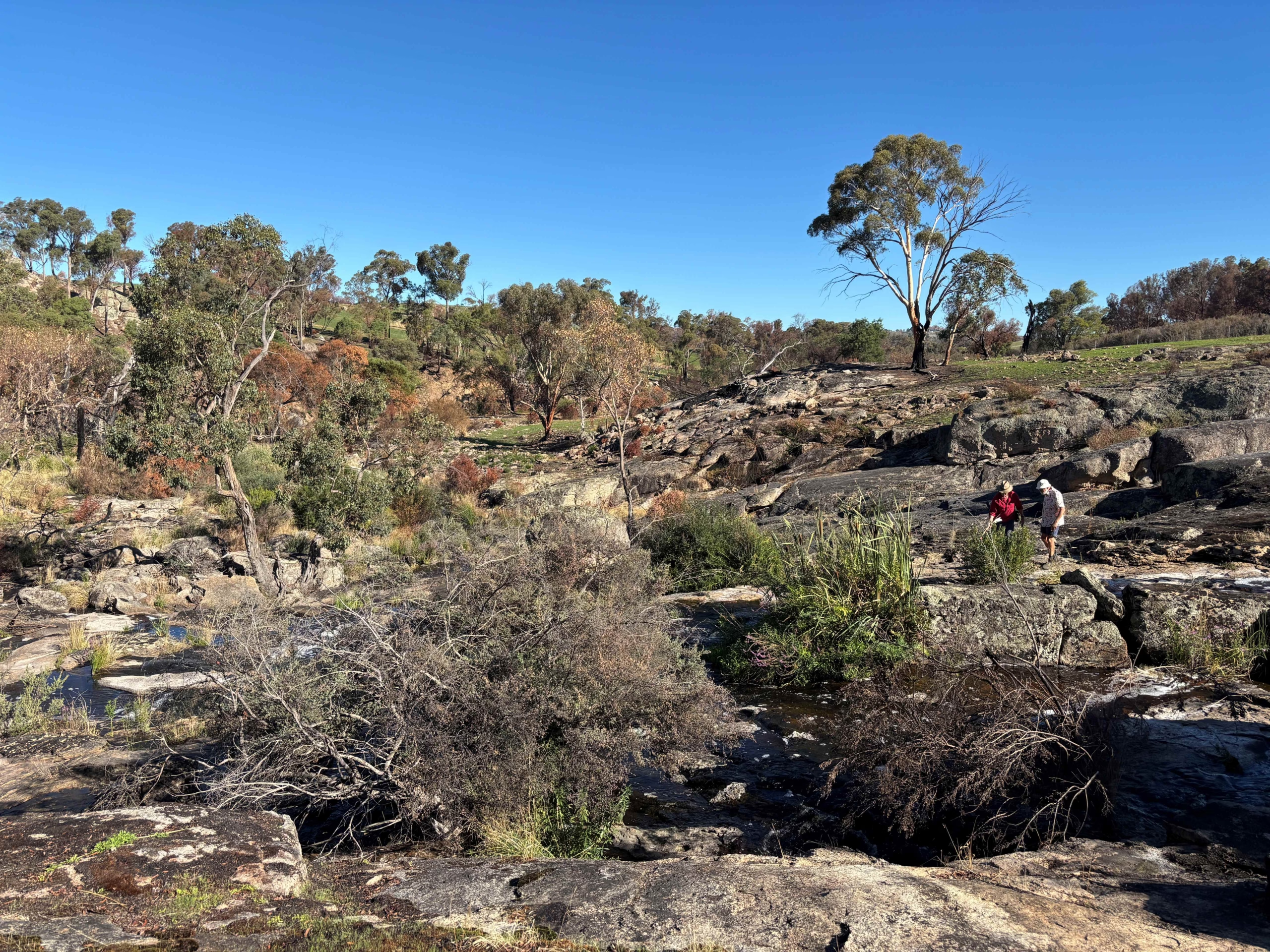
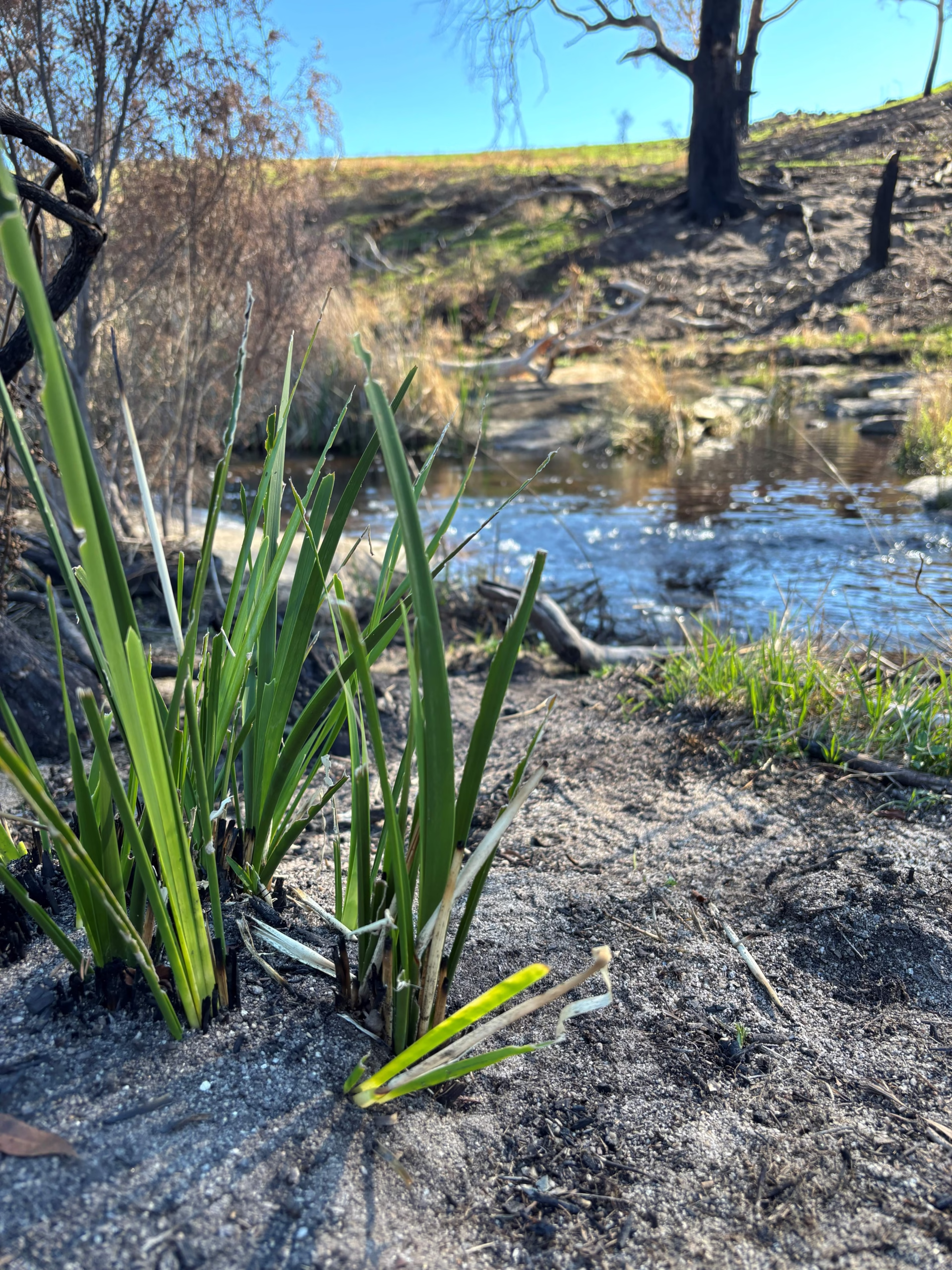
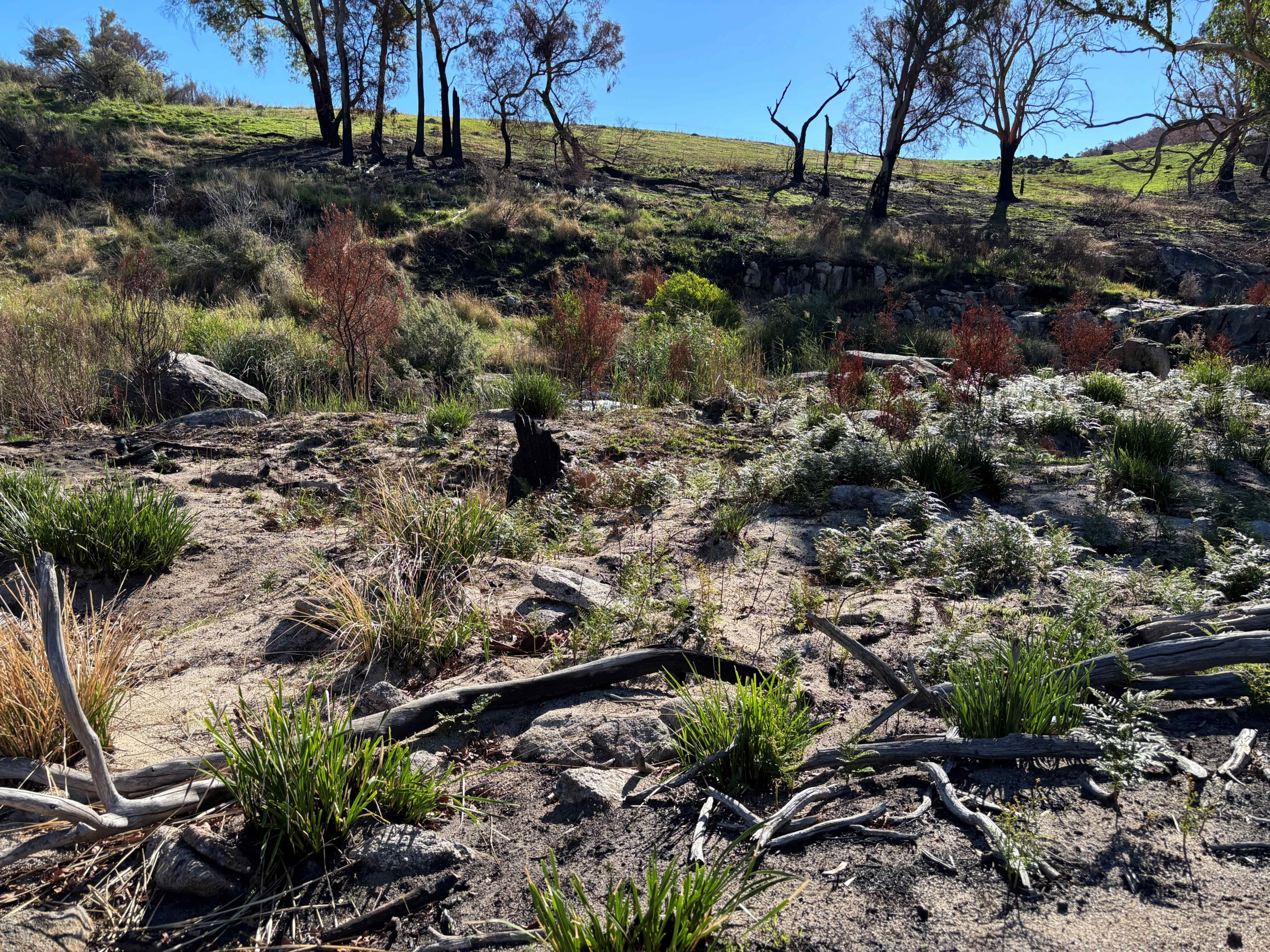
A recent walk downstream from Boathole, Ruffy, showed welcome signs of recovery. While it’s hard to watch our precious places that we love after fire, being present, with a group of like-minded souls, allowed us the opportunity to observe, marvel and celebrate incremental change. Epicormic growth on trees, native grasses and sedges sprouting, pockets within the spring soaks that retain thickets of vegetation – burnt at the edges but not in their damp centre. A few dense shrubs remained unburnt in the creek bed, a haven for small birds to flit from and around. Sorrel, a fast responder, opportunistically making the most of bare soil in the paddock and bolting fast. Meek, unremarkable mosses on granite boulders, soaked overland water like a sponge, and with the sedges and Common Reed, sediment was trapped. Little erosion was evident from recent rains, despite the downpour and exposed soils. Wattles and peas weren’t observed in abundance, but I’m sure they are poised and not far away from germinating. Our creeks, rivers and spring soaks are the lifeblood of Country. Local creeks like Hughes Creek and Crystal Brook show signs of burning less intensely in parts, and plants are responding rapidly to recent rain and increased water flow.
What of the wildlife? Who is out and about? Our first encounter in the paddock was an echidna, snuffling for ants. Birds of prey, while not observed, have been noticed by many to be busy since the fires. When conducting cool burns there is always a Wedge Tailed Eagle on patrol. The bird telegraph is quick to respond and eagles, kites and falcons zoom to the fire ground. Its easy picking through the dead, but there is also little cover to hide after a fire. Lizards, snakes, mice and small birds are all vulnerable with little habitat available on the ground or in the shrubs.
Larger birds, like magpies, kookaburras and choughs return quickly. They are robust and their sharp beaks mean they are hard to argue with. They are also meat and carrion eaters and are happy enough in open farmland.
Parrots will move around the landscape following food. They are seed eaters – larger parrots tackling She Oak and Eucalypt fruits with tough beaks designed for cracking. Smaller grass parrots will be waiting for spring and grass seed flowering again. Its unlikely we will see them for a while.
Following the Hughes Creek downstream, we were thrilled to hear bird song. Lots of busy action across the water, just enough trees and shrubs to zip into and hide should a predatory bird be about, and tricky to access for a fox. Janet’s eagle eyes and sharp ears detected Rufous Whistlers and Grey Fantails. Invertebrates hatching from the water or insects coming to lay eggs were being rapidly snatched from the air. These little birds, zippy and nimble, had found a ready food source. Given enough shrub cover and a return of insects, these little insectivorous birds will spread beyond their creek environment. They are wary moving across open country, much beyond 20 – 40 metres is their limit. Creating wide corridors or ‘nodes’ of vegetation with deep protective plant cover and prickly dense shrubs provides perfect habitat. Keep watch for these birds, finches and wrens – they will let you know when their habitat is just right.
Absent at this stage were the little honeyeaters, finches and wrens. These little fellas are the most vulnerable and not much of their food resources remain in burnt country at the moment. A handful of grevilleas or shrubs in a garden aren’t enough for them to thrive. Watch for the Blue Wrens, they are quick to move in when the shrubs begin to grow. Planting prickly, dense shrubs offer good cover and room to hide if you are a little bird. Be mindful of too many nectar producing shrubs. Often this attracts the bullying Wattle Birds or Noisy Miners. They can dominate and drive out smaller birds.
Find a friend, take a walk, be curious and prepare to be amazed at nature’s resilience.
Cathy Olive
Development Manager